Whenever a new technology enters the accessibility conversation, venue managers, consultants, and integrators throughout the United States want to be confident they are meeting their legal obligations under the Americans with Disabilities Act (ADA).
As Auracast™ broadcast audio gains traction in public venues, transportation hubs, entertainment spaces, and more across the United States, an important question has emerged: Is Auracast™ broadcast audio ADA compliant?
The short answer is an unequivocal ‘yes’. Auracast™ broadcast audio is fully aligned with the ADA, which establishes performance based requirements for assistive listening systems (ALS) deployed in the United States.

What the ADA requires
Confusion around ADA compliance stems from a common misconception that the ADA approves or certifies specific assistive listening technologies. In reality, the ADA is intentionally technology neutral.
The ADA focuses on outcomes, not products. It requires public venues to provide effective communication for people with hearing loss and specifies functional requirements for ALS solutions rather than prescribing how that performance must be achieved. This approach ensures accessibility standards can evolve alongside technological innovation.
By defining accessibility in terms of performance, the ADA creates space for new, standards‑based systems to improve access without requiring regulatory updates each time technology advances.
How Auracast™ broadcast audio meets ADA definitions
Auracast™ broadcast audio clearly qualifies as an assistive listening system under the ADA. The ADA recognizes radio frequency–based assistive listening systems as a valid ALS category. Bluetooth® technology, the foundation on which Auracast™ broadcast audio is built, is a radio frequency technology. That connection is straightforward and well established.
The inclusion of radio frequency systems in ADA guidance was intentionally forward looking. It was designed to accommodate future innovation and open standards, not to lock venues into legacy, proprietary solutions. This ensures that new, standards‑based accessibility solutions can qualify as an ALS without regulatory rewrites, provided they meet established performance requirements.
In fact, Auracast™ broadcast audio represents the natural evolution of ADA‑aligned accessibility. It builds on the foundation established by the ADA, supporting ground-breaking ALS solutions with an open, global standard that modernizes assistive listening while remaining fully aligned with accessibility requirements.
Why Auracast™ broadcast audio is an effective ALS solution
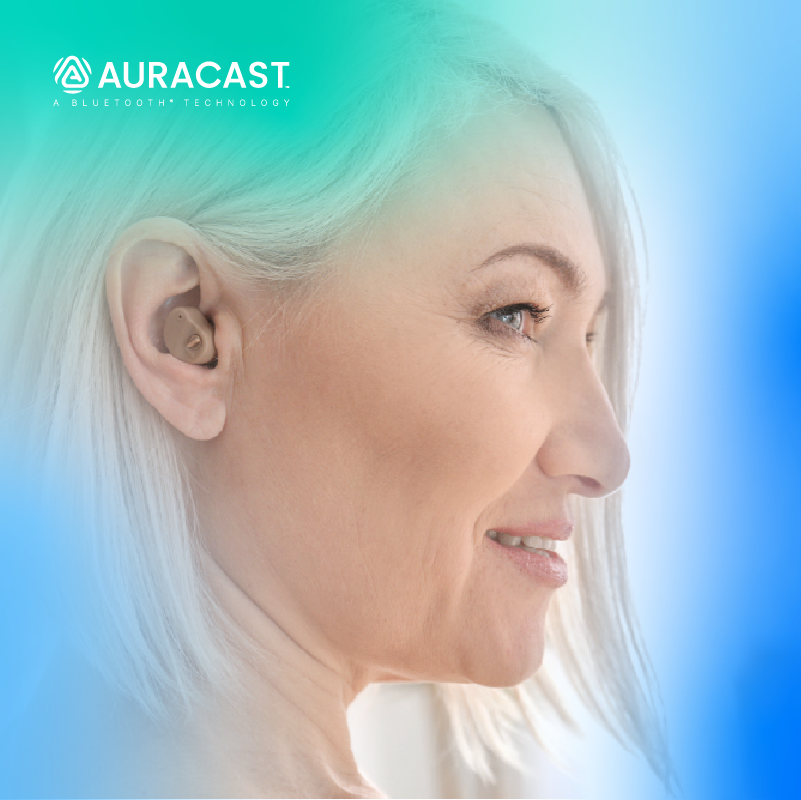
Compliance alone is not the goal of accessibility; effectiveness is. Auracast™ broadcast audio offers a number of practical advantages that strengthen its role as a modern ALS solution, including:
- Audio broadcasts that can be joined with personal devices, such as compatible hearing aids and earbuds, in addition to venue-provided receivers
- Improved speech recognition in noisy or acoustically challenging environments
- User choice and privacy, with individualized volume control
- Scalability for large public spaces without relying on dedicated, proprietary receivers
- Reduced infrastructure complexity and cost compared to many legacy ALS solutions
These benefits address long‑standing barriers to ALS adoption and use, helping venues not only meet requirements but also deliver a better user experience.
Industry and advocacy perspectives
According to Barbara Kelley, executive director of the Hearing Loss Association of America (HLAA), “The ADA was designed to promote hearing access, not specific technologies. The entire listening environment is what ensures both compliance with the ADA and a high-quality listening experience for people who use assistive listening devices. Auracast™ broadcast audio’s versatility means the ever-growing number of enabled devices gives venues more options for creating ADA-compliant systems. Hearing and understanding speech in various environments can be challenging for people with any degree of hearing loss, so having choices to meet the varying needs of people with hearing loss is critical.”
Assistive listening system manufacturers echo that viewpoint, focusing on performance rather than format. ALS manufacturers, like Listen Technologies and Williams AV, have noted that compliance is not about checking a technology box. It is about delivering intelligible, reliable audio to the people who need it. Auracast™ broadcast audio clearly meets the performance expectations of an ALS under the ADA.
“Auracast™ broadcast audio represents a meaningful leap forward for the hearing-impaired community, delivering clear, personalized audio directly through hearing aids and cochlear implants without the limitations of legacy systems,” said Luke Westin, senior global manager, Williams AV. “What makes it truly transformative is how inclusive it is: anyone with compatible earbuds or a smartphone can tap into the same broadcast, whether they’re a non-native speaker in a noisy airport, a student in a large lecture hall, or simply someone who wants a cleaner listening experience. We see Auracast™ broadcast audio as the future of accessible audio — not just because it’s ADA compliant, but because it’s genuinely better for everyone.”
Auracast™ broadcast audio represents a meaningful leap forward for the hearing-impaired community, delivering clear, personalized audio directly through hearing aids and cochlear implants without the limitations of legacy systems…We see Auracast™ broadcast audio as the future of accessible audio — not just because it’s ADA compliant, but because it’s genuinely better for everyone.
Luke Westin, Williams AV
Embracing future-forward ALS solutions
At this point, the accessibility conversation is shifting. The question is no longer whether Auracast™ broadcast audio is ADA compliant; the answer to that is clear. The more relevant question is how quickly venues will modernize accessible audio delivery to reflect today’s standards‑based, user‑centric technologies.
“Exceptional audio is the foundation of true accessibility; when sound is clear, consistent, and easy to access, it removes barriers and creates a more inclusive experience for everyone,” said Kim Franklin, CMO at Ampetronic and Listen Technologies. “At Ampetronic and Listen Technologies, we are committed to advancing solutions that elevate both audio quality and ease of use in everyday environments. As new technologies emerge, they should simplify access and integrate naturally into how people already listen. When innovation is guided by the user experience, it expands access in ways that feel effortless and intuitive.”
By embracing open, standards‑based innovation, the industry can expand access, improve user experience, and future‑proof accessibility in public spaces.
アクセシビリティの領域に新しいテクノロジーが登場すると、米国の施設管理者、コンサルタント、インテグレーターは一様に、その技術がADA(Americans with Disabilities Act:障害を持つアメリカ人法)に基づく法的義務を満たせるかを確認したいと考えます。
そのため、Auracast™ ブロードキャスト オーディオが米国の公共施設、交通機関、エンターテインメント空間などで普及が進むにつれて、重要な疑問が浮かび上がりました。Auracast™ ブロードキャスト オーディオは、ADAに準拠しているのか――。この疑問が注目を集めています。
答えは紛れもなく「イエス」です。Auracast™ ブロードキャスト オーディオは、米国内で導入される聴覚補助システム(ALS)の性能要件を定めるADAと完全に整合しています。
ADAが求めること
ADA準拠をめぐる混乱は、ADAが特定の聴覚補助テクノロジーを承認または認証するという、よくある誤解から生じています。実際には、ADAはテクノロジーに関して意図的に中立な立場を取っています。
ADAが重視するのは成果であり、製品ではありません。ADAは公共施設に対し、聴覚障害を持つ人々との間に効果的な情報伝達手段を実現するよう義務付けています。しかし、それを達成する方法を規定するのではなく、ALSソリューションに求める機能要件を定めています。このアプローチにより、技術的なイノベーションとともに、アクセシビリティ基準もまた進化できる仕組みが整っています。
アクセシビリティを性能の観点から定義することで、ADAはテクノロジーが進歩するたびに法改正を必要とすることなく、標準規格ベースの新しいシステムがアクセシビリティ向上につながるよう、そのための余地を生み出しているのです。
Auracast™ ブロードキャスト オーディオがADAの定義を満たす理由
Auracast™ ブロードキャスト オーディオは、ADAが定義する聴覚補助システムに明確に該当します。ADAでは、無線周波数(RF)ベースの聴覚補助システムが有効なALSカテゴリーとして認められています。Auracast™ ブロードキャスト オーディオは無線周波数技術であるBluetooth®技術を基盤としており、この関係はシンプルかつ確固としています。
ADAのガイダンスが無線周波数システムを含んでいるのは、将来的な見通しによるものです。これが意図するのは、施設が従来の専有規格によるソリューションに縛り付けられることなく、将来的なイノベーションとオープンな標準規格に対応できることです。これにより、標準規格ベースで、確立された性能要件を満たす新しいアクセシビリティソリューションが、法改正を必要とせずにALSとして認められるよう保証しているのです。
Auracast™ ブロードキャスト オーディオは実際、ADAに合致するアクセシビリティの自然な進化形を示しています。ADAによって確立された基盤の上で開発され、画期的なALSソリューションを、オープンでグローバルな標準規格によって支えています。それにより、アクセシビリティ要件との整合性を保ちながら、現代にフィットする聴覚補助を実現できるのです。
Auracast™ ブロードキャスト オーディオが効果的なALSソリューションである理由
アクセシビリティは法令準拠だけを目指せば良いというものではなく、真の目標はその実効性にあります。Auracast™ ブロードキャスト オーディオによって、現代にフィットするALSソリューションとしてより強力な役割を果たすための、実用的なメリットが以下のように多く生まれています。
- 施設が提供する受信機に加え、対応する補聴器やイヤホンなどの個人用デバイスでも音声配信を受信可能
- 騒音の多い環境、音響のために聞き取りにくい環境での音声認識の向上
- 個別の音量調節を備え、利用者の主体的な選択とプライバシーを確保
- 専有規格にもとづく専用受信機に依存する必要がなく、大規模な公共の場での使用に適したスケーラビリティ
- 従来型の多くのALSソリューションに比べ、インフラの複雑さを低減し、コストを削減
これらのメリットによって、長い間ALS導入と利用の妨げとなっていた課題に対処できます。それにより、施設が要件を満たすとともに、より良いユーザー体験を提供できるよう支援します。
業界と啓発団体の見解
米国難聴協会(HLAA)のエグゼクティブディレクター、Barbara Kelley氏は次のように述べています。「ADAは聴覚アクセシビリティを促進するために設計されており、何か特定のテクノロジーの推進を意図したものではありません。ADAへの準拠と、補聴補助デバイスを使用する人々に高品質な聴取体験を実現することの両方を実現する上では、リスニング環境全体を適切に整えることが鍵となります。Auracast™ ブロードキャスト オーディオには汎用性があり、対応するデバイスが増え続けることによって、ADAに準拠したシステムを構築する際に施設が取りうる選択肢を豊かにします。聴覚障害がある人々にとっては、その障害の程度に関わらず、さまざまな環境での音声の聴き取りと理解には困難がつきまといます。だからこそ、聴覚障害を持つ人々の多様なニーズに応えられる選択肢を持つことが極めて大切なのです」
補聴補助システムメーカーもこの見解に同調し、採用する方式ではなく、実際の性能を重視しています。Listen TechnologiesやWilliams AVなどのALSメーカーは、法令遵守とは、単に対応技術を導入したという形式的なチェックで終わるものではないと指摘しています。その本質は、明瞭で信頼性の高いオーディオを、必要としている人々に届けることにあります。このADAのもとでALSに求められる性能要件を、Auracast™ ブロードキャスト オーディオは明確に満たしています。

「Auracast™ ブロードキャスト オーディオは、聴覚障害者コミュニティにとって、大きな前進にほかなりません。従来システムによる制約なしに、明瞭で一人ひとりに合ったオーディオを、補聴器や人工内耳を通じて直接届けられるようになります」と、Williams AVのシニアグローバルマネージャーLuke Westin氏は述べています。「Auracast™ ブロードキャスト オーディオを真に変革的なものにしている理由は、そのインクルーシブ性の高さです。対応イヤホンやスマートフォンを持つ人なら、誰もが同じブロードキャストにアクセスできます。騒がしい空港にいる外国語話者でも、大講義室にいる学生でも、単純によりクリアに聞きたいという人でも変わりありません。私たちにとって、Auracast™ ブロードキャスト オーディオは、アクセシブルオーディオの未来です。単にADA準拠であるというだけでなく、すべての人にとって真により良い環境を実現できるソリューションだからです」
将来を見据えたALSソリューションの採用に向けて
アクセシビリティをめぐる議論は今、変化しています。問題はもはや、Auracast™ ブロードキャスト オーディオがADA準拠かどうか、という明確に「イエス」と答えられる問いではありません。今より問うべきなのは、施設がどれだけ迅速に、標準規格に基づくユーザー中心のテクノロジーを取り入れ、アクセシブルオーディオの提供状況を刷新できるかです。
「優れたオーディオこそが、真のアクセシビリティの基盤となります。音が明瞭で一貫性があり、アクセスしやすいことで、バリアフリーが実現し、すべての人によりインクルーシブな体験がもたらされます」と、AmpetronicおよびListen TechnologiesのCMO、Kim Franklin氏は述べています。「AmpetronicとListen Technologiesは、日常的な環境でオーディオ品質と使いやすさを高めるソリューションの推進に取り組んでいます。新たに登場するテクノロジーは、アクセスを簡素化し、人々がすでに慣れ親しんでいる聴き方に自然に溶け込めるものである必要があります。ユーザー体験に根差したイノベーションによって、使いやすく直感的な形でアクセスが向上します」
オープンで標準規格に基づくイノベーションを採用することによって、業界はアクセスの拡大、ユーザー体験の向上を実現し、公共空間におけるアクセシビリティを将来にわたって維持・発展させることができます。
