
Insights explored in this article:
- Bluetooth enabled predictive maintenance extends asset lifecycles and reduces waste to maximize the value of existing assets
- Bluetooth sensors provide actionable insights that reduce unplanned downtime, optimize maintenance schedules, and minimize energy consumption
- Bluetooth technology enables continuous observation, allowing organizations to identify risks early and intervene proactively
本記事のポイント
- Bluetooth®対応の予知保全によって、資産のライフサイクルの延長、廃棄物削減が実現し、既存資産の価値を最大化できます
- Bluetooth®センサーによって実用的な知見が得られ、計画外のダウンタイム削減、保全スケジュールの最適化、エネルギー消費の最小化に役立ちます
- Bluetooth®技術を活用した継続的な観測により、組織はリスクを早期に特定し、先手を打って介入できます
Using energy more efficiently, reducing waste, and extending the life of existing assets requires systems that can sense real-world conditions, respond dynamically, and generate insights that inform better decision-making over time. Bluetooth® technology is helping organizations drive sustainability initiatives across a wide range of industries worldwide, improving how systems operate to deliver meaningful, lasting gains.
By serving as a connective layer between physical systems and digital intelligence, Bluetooth connectivity enables organizations to continuously monitor conditions, anticipate issues, and act with precision, moving sustainability from aspiration to operation and delivering measurable outcomes without compromising performance.
This transformation is being driven by Bluetooth enabled predictive maintenance strategies to minimize waste, extend asset lifecycles, reduce environmental impact, and safeguard essential systems that support both industry and the natural world.
Smarter systems create longer lifecycles
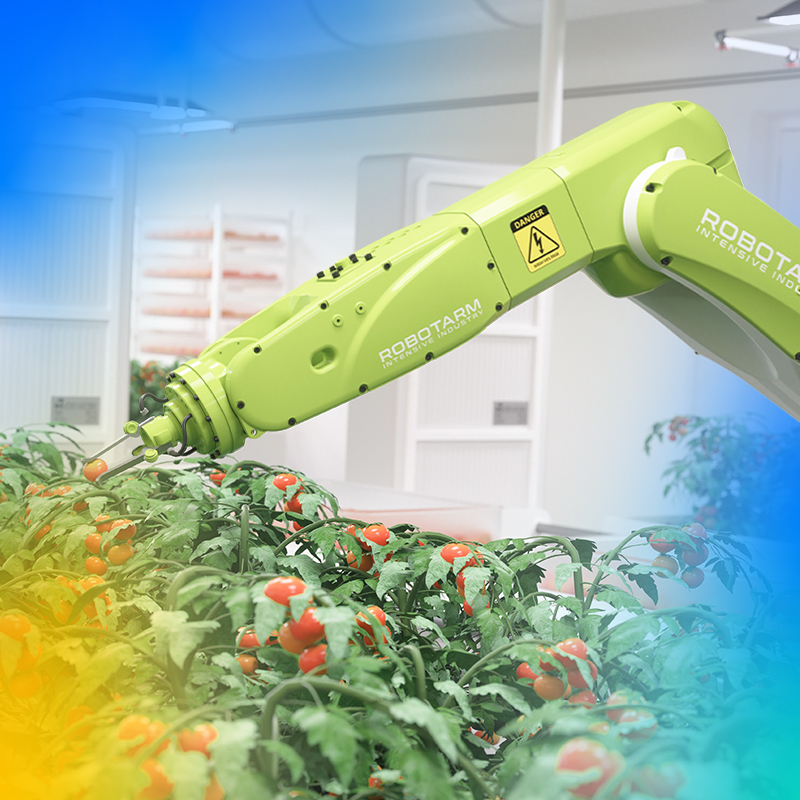
Extending the life of equipment, infrastructure, and natural resources is a cornerstone of sustainability. Every premature failure or replacement carries hidden environmental costs, including material extraction, manufacturing, transportation, and disposal. Reducing these replacement cycles is one of the most effective ways to lower environmental impact.
Bluetooth® technology supports this effort by enabling continuous monitoring and proactive care. Rather than relying on periodic inspections or reactive maintenance, organizations can gain real-time visibility into system performance and health. This shift allows them to detect early signs of degradation and take action before serious issues arise.
The result is a transition from reactive to predictive operations where systems are maintained based on actual conditions rather than fixed schedules or unexpected failures.
Predictive maintenance turns insight into longevity
Predictive maintenance represents a fundamental shift in how organizations manage assets. Instead of responding to breakdowns after they occur, predictive maintenance uses data to anticipate failures and intervene early.
Early detection reduces failures and waste
Detecting problems before they escalate has direct sustainability implications. When equipment fails unexpectedly, it can lead to cascading issues, including production downtime, material waste, and emergency repairs. In many cases, these failures result in the premature replacement of components or entire systems.
By identifying issues early, Bluetooth® enabled predictive maintenance allows organizations to schedule repairs during planned downtime and address problems before they cause significant damage. This reduces the likelihood of catastrophic failures, extends the useful life of assets, and minimizes the need for replacement materials.
According to industry data, predictive maintenance technologies can significantly reduce equipment breakdowns, demonstrating how proactive strategies directly contribute to longer lifecycles and improved sustainability outcomes.
Reducing downtime and resource consumption
Unplanned downtime is not only costly but also resource intensive. When production lines stop unexpectedly, energy is wasted, materials may be discarded, and resources are diverted to emergency repairs.
Bluetooth® predictive maintenance helps prevent these disruptions by ensuring that systems operate reliably and efficiently. Maintenance teams can act on data-driven insights, avoiding unnecessary service while ensuring timely intervention when needed. This optimized maintenance approach reduces energy consumption, minimizes waste, and ensures that resources are used effectively.
Data-driven maintenance strategies
Bluetooth® sensors often integrate into broader industrial IoT (IIoT) ecosystems, feeding data into centralized platforms for aggregation and analysis. These platforms enable advanced capabilities such as trend analysis, anomaly detection, and automated alerts.
When combined with edge computing and artificial intelligence, Bluetooth enabled systems can identify subtle patterns and predict future maintenance needs with greater accuracy. This level of intelligence allows organizations to optimize maintenance schedules, allocate resources more efficiently, and further reduce environmental impact.
Large enterprises are increasingly using these integrated systems to automate maintenance workflows, trigger alerts, and visualize performance trends across multiple assets. This holistic view ensures that sustainability gains are achieved at scale across entire operations.
Predictive maintenance ultimately turns longevity into a sustainability benefit, ensuring assets deliver maximum value over their lifecycle while minimizing their environmental footprint.
Bluetooth® sensors often integrate into broader industrial IoT (IIoT) ecosystems, feeding data into centralized platforms for aggregation and analysis.
Real-time insight helps protect natural systems
The same capabilities that support predictive maintenance in industrial environments can also be applied to protect natural systems. Sustainability extends beyond built infrastructure to include the ecosystems, water supplies, and habitats that sustain life.
Bluetooth® technology enables continuous monitoring of environmental conditions, providing the data needed to detect changes, identify risks, and respond quickly. This proactive approach is essential for protecting natural resources, where delays in intervention can result in irreversible damage.

Monitoring water resources
Access to clean and reliable water is one of the most critical sustainability challenges worldwide. Bluetooth® sensors can be deployed in remote locations to monitor water quality, temperature, flow, and contamination levels in real time.
This continuous observation allows organizations and communities to detect issues early, ensuring that corrective actions can be taken before water supplies are compromised. By providing reliable data from even the most remote locations, Bluetooth connectivity supports more effective water management and conservation efforts.
Ecosystem and habitat protection
Natural ecosystems are highly sensitive to environmental changes. Subtle shifts in temperature, humidity, or other conditions can have significant impacts on plant and animal life. Bluetooth® sensors help researchers and conservation teams continuously monitor these conditions without the need for intrusive or resource-intensive methods.
With real-time data, organizations can identify signs of stress or imbalance within ecosystems and respond quickly to mitigate potential damage. This proactive approach helps preserve biodiversity, protect habitats, and maintain the natural balance essential for long-term sustainability.
Early intervention supports long-term preservation
One of the greatest challenges in environmental protection is the ability to act before damage becomes irreversible. Bluetooth® technology provides the early-warning capabilities needed to address this challenge.
By detecting changes as they occur, rather than after the fact, organizations can implement targeted interventions that prevent larger-scale issues. This reduces the need for resource-intensive restoration efforts and supports the long-term viability of natural systems.
Connected foundations are key to sustainable operations
The role of Bluetooth® connectivity in sustainability extends beyond individual applications. A key strength of Bluetooth enabled solutions is their ability to deliver sustainability benefits without requiring trade-offs. Organizations do not need to sacrifice productivity, performance, or growth to achieve environmental goals.
As a widely adopted, low-power wireless technology, Bluetooth connectivity serves as a foundational layer that connects devices, systems, and environments into cohesive networks. These networks enable data to be collected, shared, and analyzed at scale, providing organizations with a comprehensive view of their operations and environmental impact. Whether monitoring industrial equipment or natural ecosystems, Bluetooth technology enables smarter, more responsive systems.
A key strength of Bluetooth® enabled solutions is their ability to deliver sustainability benefits without requiring trade-offs. Organizations do not need to sacrifice productivity, performance, or growth to achieve environmental goals.
From insight to impact
As industries and communities continue to pursue sustainability goals, the importance of data-driven systems will only increase. Bluetooth® innovations in predictive maintenance and natural resource protection demonstrate how targeted solutions can deliver meaningful impact.
By enabling systems to sense, respond, and adapt, Bluetooth technology ensures that assets last longer, resources are used more efficiently, and natural systems are protected. These capabilities turn sustainability into a continuous process that is driven by insight, precision, and proactive action.
Ultimately, Bluetooth technology is not only connecting devices, it is also connecting decisions to outcomes. By providing the visibility and intelligence needed to operate more effectively, it helps organizations and communities reduce waste, extend lifecycles, and protect the essential resources that support life and progress.
エネルギーをより効率的に使い、廃棄物を減らし、既存資産の寿命を延ばす——この実現には、実際の状況を検知し、動的に応答して、より良い意思決定につながるインサイトを継続的に生み出すシステムが必要です。Bluetooth®技術は、世界中の幅広い業界で持続可能性に取り組む組織を後押しし、システムの動作改善に役立つことで、持続的で意義のある成果をもたらしています。
Bluetooth接続は、物理システムとデジタルインテリジェンスをつなぐ接続レイヤーとして機能します。これにより組織は、状況を継続的に監視し問題を予測し、実行の精度を上げることができます。その結果、持続可能性を「目標」から「実践」に変え、パフォーマンスを犠牲にすることなく測定可能な成果を生み出せます。
この変革をけん引しているのが、Bluetooth対応の予知保全戦略です。これにより、廃棄物を最小限に抑え、資産のライフサイクルを延ばすとともに、環境負荷を低減し、産業と自然環境の双方を支える重要なシステムの保護につながります。
システムのスマート化で、ライフサイクルを延長
設備、インフラ、そして自然資源の寿命を延ばすことは、持続可能性の土台です。想定より早い故障や交換には、原材料の採掘、製造、輸送、廃棄といった目に見えない環境コストが伴います。交換サイクルを緩やかにすることは、環境負荷を下げる最も効果的な方法の一つです。
Bluetooth®技術は、継続的なモニタリングと予防的なケアを可能にすることで、この取り組みを支えます。定期点検や事後対応による保全に頼らずに、システムの性能と状態をリアルタイムで可視化できます。この転換を通じて、劣化の予兆を早期に捉え、深刻な問題が起きる前に手を打てるようになります。
その結果、運用を事後対応型から予知型へと移行でき、固定スケジュールや突発的な故障ではなく、実際の状態に基づいてシステムを保全できるようになります。
インサイトに基づき「長寿命化」を実現する予知保全
予知保全は、組織による資産管理のあり方を根本から変えます。故障が起きてから対応するのではなく、データを用いて故障を予測し、早い段階で介入します。
早期検知で故障と無駄を削減
問題が深刻化する前に検知することは、持続可能性に直結します。設備が突発的に故障すると、生産のダウンタイム、材料の廃棄、緊急修理といった問題が連鎖的に発生します。多くの場合、こうした故障は部品やシステム全体の早すぎる交換につながります。
Bluetooth®対応の予知保全は、問題を早期に特定することで、計画的なダウンタイムに合わせて修理を予定し、問題が大きな損害へと発展する前に対処できます。これにより、致命的な故障の発生確率を下げ、資産の耐用年数を延ばし、必要となる交換部材を最小限に抑えられます。
業界に関するデータによると、予知保全技術によって設備故障は大幅に削減できます。これは、先手を打つ戦略がライフサイクルの長期化と持続可能性の向上に直接寄与することを示しています。
ダウンタイムと資源消費を削減
計画外のダウンタイムは、コストがかさむだけでなく、大量の資源消費につながります。生産ラインが想定外のタイミングで停止することで、エネルギーに無駄が生じ、材料は廃棄される可能性があり、緊急修理に人員や資材を振り向ける必要が生じます。
Bluetooth®による予知保全は、システムが高い信頼性と効率性のもとで稼働していることを確実にし、こうした混乱を未然に防ぎます。保守チームはデータに基づくインサイトをもとに行動し、不要な作業を避けながら、必要なときには適切なタイミングで介入できます。この最適化された保全アプローチによって、エネルギー消費の抑制と廃棄物の最小化、資源の有効利用を確保できます。
データドリブンな保全戦略
Bluetooth®センサーは、多くのケースでより広範な産業用IoT(IIoT)エコシステムに組み込まれて、集約と分析のために中央プラットフォームへデータを送っています。こうしたプラットフォームは、トレンド分析、異常検知、自動アラートといった高度な機能を実現します。
Bluetooth対応システムをエッジコンピューティングや人工知能と組み合わせた場合、微細なパターンを見つけ出し、将来の保全ニーズをより高い精度で予測できます。この分析能力により、保全スケジュールを最適化し、資源をより効率的に配分でき、環境負荷をさらに低減できます。
大企業では、こうした統合システムを活用して保全ワークフローを自動化し、アラートを発信して、複数の資産にまたがる性能トレンドを可視化する動きが加速しています。この全体像の把握により、事業全体での大規模な持続可能性の成果が得られます。
予知保全は最終的に、「長寿命化」を通じた持続可能性の成果をもたらします。環境フットプリントを最小限に抑えながら、資産が確実に、ライフサイクル全体で最大の価値を発揮できるようにします。
リアルタイムのインサイトで自然環境を保全
産業環境で予知保全を支えるのと同じ機能が、自然環境の保護にも応用できます。持続可能性の対象は人工的なインフラにとどまらず、生命を支える生態系、水資源、生息地にも広がるのです。
Bluetooth®技術は環境条件の継続的なモニタリングを可能にし、変化を検知し、リスクを特定して、迅速に対応するために必要なデータを提供します。介入の遅れが不可逆的な損傷につながりかねない自然資源の保護において、この先手を打つアプローチは不可欠です。
水資源をモニタリング
清潔な水の安定的な利用は、世界で最も重要な持続可能性に関する課題の一つです。Bluetooth®センサーは遠隔地にも設置でき、水質、水温、流量、汚染レベルをリアルタイムで監視します。
この継続的な観測により、組織や地域社会が問題を早期に検知し、水の供給が損なわれる前に是正措置を講じることができます。遠隔地からでも信頼できるデータを届けることで、Bluetooth接続はより効果的な水資源管理と保全の取り組みを支えます。
生態系と生息地を保護
自然の生態系は環境の変化に非常に敏感です。気温や湿度などのわずかな変化が、動植物に大きく影響する可能性があります。Bluetooth®センサーは、侵襲的な手法や、資源を大量に消費する手法に頼ることなく、研究者や保全チームがこうした条件を継続的にモニタリングできるようにします。
リアルタイムデータがあれば、組織は生態系のストレスや不均衡の兆候を特定し、被害を抑えるために迅速に対応できます。この積極的なアプローチは、生物多様性の保全、生息地の保護、そして長期的な持続可能性の維持に欠かせない自然界のバランスの保全に貢献します。
早期介入によって長期的な保全をサポート
環境保護における最大の課題の一つは、不可逆な損傷が生じる前に行動できるかどうかです。Bluetooth®技術は、この課題に応えるために必要な、早期警告の機能を提供します。
事後ではなく、変化が起きたその瞬間に検知することで、組織は的を絞った介入を実施し、より大規模な問題を防げます。これにより、復元するために資源を大量に消費する必要性が減り、自然環境の長期的な持続性をサポートできます。
「コネクテッドな基盤」こそ持続可能な運用の鍵
サステナビリティにおけるBluetooth®接続の役割は、個々のアプリケーションにとどまりません。Bluetooth対応ソリューションの大きな強みは、妥協を求めずに持続可能性のメリットをもたらすことができる点にあります。環境目標を達成するために、生産性、パフォーマンス、成長を犠牲にする必要はありません。
広く普及した低消費電力のワイヤレス技術として、Bluetooth接続は、デバイス、システム、環境を一体化されたネットワークとして接続する基盤レイヤーの機能を果たします。こうしたネットワークによって、データを大規模に収集・共有・分析でき、組織は事業運営と環境負荷を包括的に把握できます。産業設備のモニタリングであれ、自然生態系のモニタリングであれ、Bluetooth技術はよりスマートで応答性の高いシステムを実現します。
Bluetooth®対応ソリューションの大きな強みは、妥協を求めずに持続可能性のメリットをもたらすことができる点にあります。環境目標を達成するために、生産性、パフォーマンス、成長を犠牲にする必要はありません。
インサイトからインパクトへ
産業界と地域社会が持続可能性に関する目標を追求するなか、データドリブンなシステムの重要性は高まる一方です。予知保全と自然資源の保護におけるBluetooth®のイノベーションは、的を絞ったソリューションが確かなインパクトを生み出せることを実証しています。
システムが感知し、応答し、適応できるようにすることで、Bluetooth技術は資産をより長く使い、資源をより効率的に活用し、自然環境を守れることを確かなものにします。これらの能力は、持続可能性を、インサイトと精度、そして先手を打つ行動を原動力とする、継続的なプロセスへと変えていきます。
つまり、Bluetooth技術がつないでいるのはデバイスだけではなく、意思決定と成果をも結びつけています。より効果的な運用に必要な可視性とインテリジェンスを提供することで、組織や地域社会が無駄を削減し、ライフサイクルを延ばし、生命と進歩を支えるうえで不可欠な資源を守るための手助けをしているのです。
